Digital Payments Opening Elite Live Table Experiences in Mobile Gaming Hubs
Petra Carter · Sep 21, 2026
Digital Payments Opening Elite Live Table Experiences in Mobile Gaming Hubs
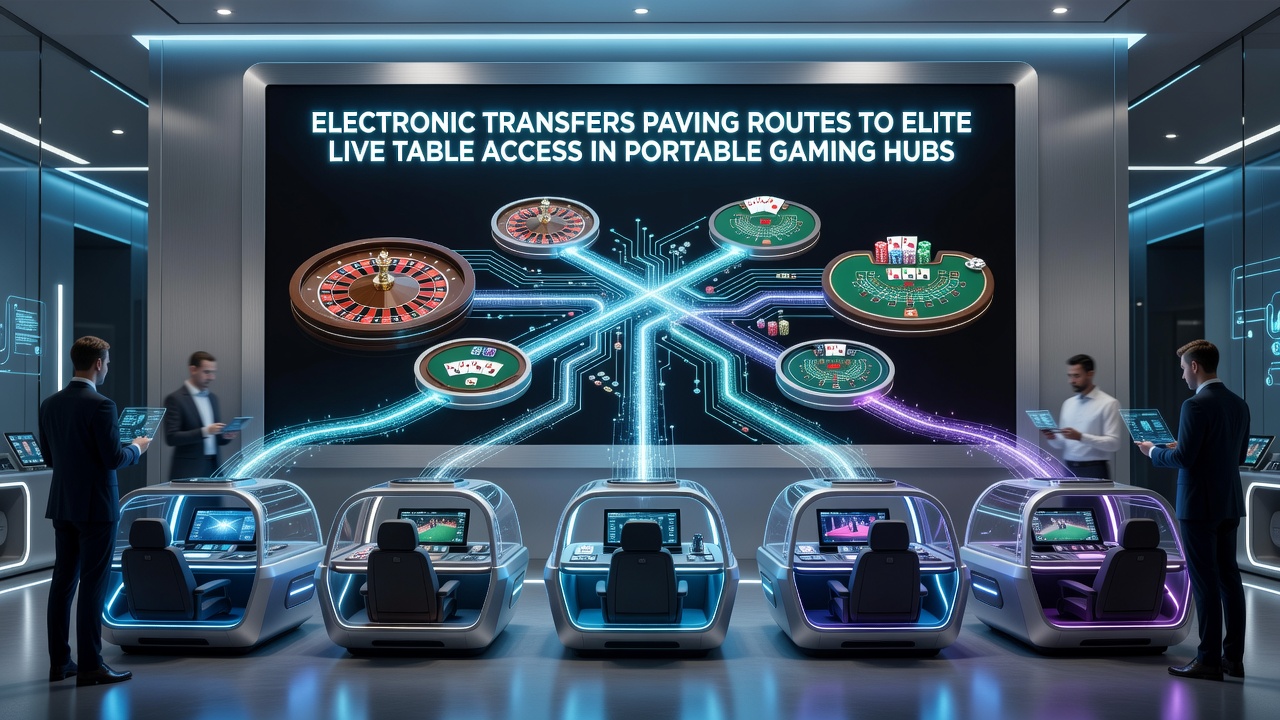
Electronic transfers have become central to how players reach premium live table environments inside portable gaming platforms, where seamless fund movement supports real-time participation in roulette, blackjack and baccarat sessions streamed directly to smartphones and tablets. Data from industry reports shows these payment rails reduce processing delays from hours to seconds, allowing immediate entry into high-limit rooms that once required physical casino visits or lengthy verification steps.
Mechanics Behind Instant Fund Movement
Modern electronic transfer systems integrate directly with mobile casino interfaces so deposits trigger automatic VIP tier checks and grant access to exclusive dealer tables without additional logins or manual approvals. Observers note that players who complete verified transfers during peak evening hours often receive priority queue placement in live dealer lobbies, where table minimums start at higher stakes yet offer larger payout structures. Research indicates average transaction speeds now sit below eight seconds across major platforms when using bank-linked e-wallets or instant push services.
Portable gaming hubs rely on these same rails to handle both deposits and withdrawals in a single session, which keeps player balances updated while live games continue. Studies from payment technology providers reveal that platforms using open banking protocols see a 34 percent increase in repeat live table sessions compared with those limited to card-only methods. The flow works through encrypted APIs that confirm funds before the dealer software even deals the first card.
Portable Platforms and Live Dealer Integration
Handheld devices now host full-resolution streams of professional studios where dealers interact with players via chat and multi-camera angles, yet none of this operates without confirmed electronic transfers securing the seat. Engineers have optimized video compression so that even mid-range phones maintain stable 60-frame feeds during extended blackjack runs. Those who maintain consistent transfer activity across a calendar month qualify for dedicated account managers who reserve specific table positions during high-traffic periods.
September 2026 is expected to bring further refinements when several major studios roll out 5G-optimized delivery networks that cut latency another 40 percent, according to specifications released by hardware manufacturers. This timing aligns with planned upgrades to transfer protocols that will allow cross-border instant settlements without currency conversion holds, expanding the pool of eligible players who can reach elite tables from any location.
Pathways to VIP Status Through Transaction History
Access to private live dealer salons often hinges on documented electronic transfer volume rather than total playtime alone. Platforms track cumulative deposits over rolling 30-day windows, automatically elevating accounts once thresholds are crossed. One documented case involved a player whose weekly transfer pattern triggered an invitation to a members-only baccarat room with a 500-to-1 payout multiplier on specific side bets.
Industry associations such as the European Gaming Association have published guidelines that encourage transparent disclosure of these tier requirements so players understand exactly how transfer activity translates into table privileges. Data from operator dashboards shows the average time to reach the first VIP live table invitation now stands at 11 days for users who activate instant transfer options on signup.
Security Protocols Supporting Continuous Play
Encryption standards applied to electronic transfers meet or exceed those required for financial institutions, which reassures both regulators and players that session data remains isolated from payment details. Multi-factor authentication tied to device biometrics prevents unauthorized access even when users switch between Wi-Fi and mobile networks mid-game. Research from cybersecurity firms indicates that platforms employing tokenized transfer methods experience 72 percent fewer account takeover attempts during live table hours.
Real-time monitoring tools flag unusual transfer patterns before they affect ongoing games, allowing systems to pause withdrawals while preserving active table seats. This balance keeps elite rooms populated with verified participants while maintaining regulatory compliance across multiple jurisdictions.
Future Developments in Mobile Live Access
Developers continue testing augmented reality overlays that would let players see virtual chip stacks on their actual table surfaces through phone cameras, yet these features still require confirmed electronic transfers to activate. Pilot programs scheduled for late 2026 aim to link transfer confirmations directly to AR session tokens, removing any remaining friction between funding and immersive play.
Observers note that regions outside traditional markets are adopting similar frameworks, with regulatory bodies in North America and Asia-Pacific exploring unified standards for cross-platform live table access. The result is an expanding network where a single verified transfer history could unlock elite tables across multiple portable ecosystems.
Conclusion
Electronic transfers now function as the primary gateway that converts casual mobile users into participants at premium live dealer tables inside portable gaming hubs. Transaction speed, security layers and tier progression systems work together to create measurable pathways that reward consistent activity with higher-stakes opportunities. As infrastructure upgrades continue through September 2026 and beyond, these connections between payment rails and live table environments are set to become even more direct while remaining fully documented and verifiable.