Payment Velocity and Tiered Benefits: Exploring Mobile Ecosystems for Gaming Advancement
Petra Carter · Oct 19, 2026
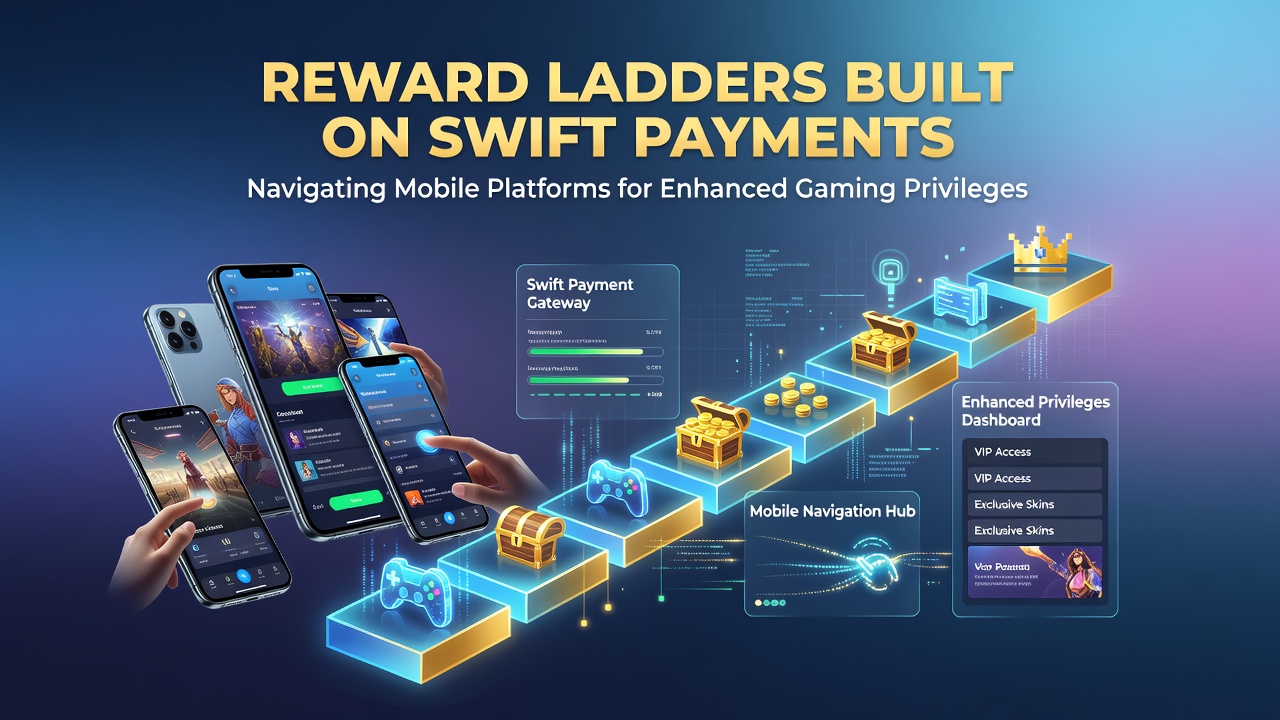
Payment Velocity and Tiered Benefits: Exploring Mobile Ecosystems for Gaming Advancement
Swift payment processing forms the structural base for reward ladders that mobile gaming platforms deploy to advance user privileges, and operators integrate these systems so that transaction speed directly influences tier access and benefit allocation across devices. Research from the American Gaming Association indicates that platforms using instant deposit and withdrawal mechanisms record higher progression rates through loyalty levels than those relying on delayed settlements.
Users navigate mobile applications where payment gateways connect to reward engines, and this linkage allows real-time crediting of points that unlock higher status brackets. Observers note that systems employing automated verification protocols reduce the time between transaction completion and privilege activation from hours to seconds, which in turn supports continuous engagement without interruption.
Mechanics of Payment-Driven Tier Advancement
Payment velocity determines how quickly participants accumulate the activity metrics required for ladder climbs, and mobile platforms track deposit frequency alongside wager volume to calculate eligibility. Data shows that applications with integrated banking rails such as digital wallets and instant transfer services enable players to meet threshold requirements within shorter windows, while slower channels extend those intervals. Engineers design backend algorithms that convert payment confirmations into loyalty points, and these conversions occur without manual intervention once security checks clear.
Case examples from various operators reveal that users who complete multiple swift transactions in a single session advance through initial tiers faster than those spaced across days. The architecture typically includes tier gates that require both monetary thresholds and time-based activity, yet rapid payments help satisfy the financial component ahead of schedule. Industry reports document that platforms incorporating multi-currency support and cross-border instant rails see broader geographic participation in elevated reward programs.
Interface Design and Navigation Patterns
Mobile interfaces present reward ladders through progressive disclosure screens that highlight current status, next milestones, and available privileges, and designers embed payment shortcuts directly within these views. Users swipe or tap to access transaction histories that feed into tier calculations, and visual indicators update immediately after each confirmed transfer. Navigation flows prioritize one-tap deposit options that route through previously verified methods, reducing friction that might otherwise stall momentum toward higher brackets.
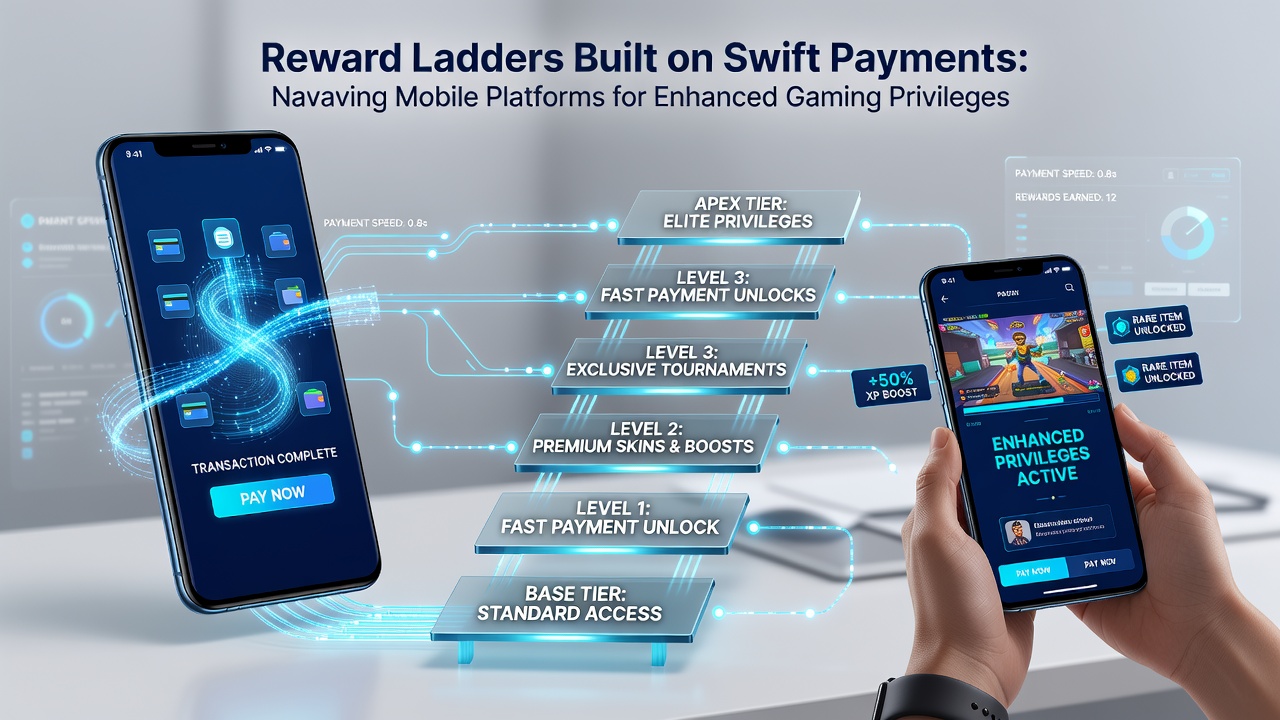
Developers incorporate biometric authentication layers that expedite payment authorization without compromising security protocols, and this combination keeps users within the application environment rather than redirecting them to external sites. Studies conducted by research institutions such as the University of Nevada, Reno Gaming Innovation Lab have examined how interface latency affects retention at each reward level, and findings indicate that sub-second response times correlate with sustained progression across multiple tiers.
Regional Developments and October 2026 Updates
Regulatory frameworks in several jurisdictions scheduled payment processing standard revisions for October 2026, and these changes emphasize faster settlement requirements for licensed operators. Platforms adapting ahead of those dates already demonstrate measurable improvements in reward ladder completion rates among mobile users. Canadian provincial regulators and Australian state authorities have issued guidance documents that encourage adoption of real-time payment rails, and operators complying with those recommendations report expanded access to premium features for participants.
Technical standards bodies continue to refine interoperability specifications between banking networks and gaming servers, which supports seamless transitions across different mobile operating systems. Evidence gathered from platform analytics shows that regions with mature instant payment infrastructures maintain steadier user advancement through privilege tiers compared with areas still transitioning from legacy batch processing methods.
Privilege Structures Enabled by Rapid Transactions
Once participants reach higher tiers through consistent swift payment activity, platforms unlock layered benefits that include customized game selections, priority support channels, and accelerated redemption options. These privileges scale according to documented transaction patterns rather than isolated events, and mobile systems log cumulative data to maintain accurate tier assignments. Operators publish transparent criteria that link payment speed and volume to specific reward unlocks, allowing users to plan their activity accordingly.
Additional features such as personalized cashback percentages and exclusive event invitations appear at upper levels, and the delivery of these benefits occurs through the same mobile channels used for initial transactions. Platform logs indicate that users who maintain high payment velocity sustain their elevated status over longer periods because the underlying metrics remain current without manual updates.
Conclusion
Swift payments integrated into mobile gaming platforms establish measurable pathways for reward ladder progression, and the resulting privilege structures reflect documented transaction histories. Continued refinement of interface navigation and regulatory alignment across regions supports further integration of these systems. Observers tracking October 2026 developments will see how updated standards influence the pace at which users access enhanced gaming features through payment-driven mechanisms.